
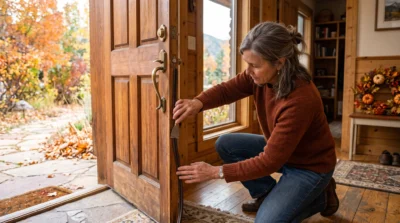
 Why Proper Weatherstripping Matters for Grand Junction Homes
When autumn winds sweep across the Grand Valley and the first snow dusts the Grand Mesa, keeping your home warm and energy-efficient becomes a top priority. High-desert winters in Grand Junction bring freezing nighttime temperatures, brisk gusts, and noticeable temperature drops. If your home has gaps around exterior entryways, worn seals, or uninsulated attic access points, you are losing valuable conditioned air every hour of the day.
Addressing drafty openings early through proper weatherstripping home Grand Junction CO strategies prevents unnecessary strain on your heating system while keeping indoor spaces comfortable. Small gaps around door jambs and window frames may seem trivial during mild September afternoons, but as winter sets in, those minor gaps cumulatively equal leaving a small window wide open around the clock.
Key Questions Answered:
- What is weatherstripping? Weatherstripping is the process of sealing air leaks around movable building components like doors, operable windows, and access hatches using durable rubber, foam, or metal seals.
- How much energy does weatherstripping save? Effective weatherproofing and air sealing typically reduce heating and cooling costs by 10% to 20% annually.
- When should I seal my home? The ideal timeframe is early autumn before freezing temperatures and winter winds arrive.
Key Takeaways (TL;DR)
- Inspect door perimeters, window tracks, and attic hatches for daylight, drafts, or degraded seals before freezing weather arrives.
- Sealing minor drafts improves energy efficiency in your Grand Junction home, reduces utility expenses, and maintains consistent indoor comfort.
- Simple foam tapes and door sweeps work well for basic DIY fixes, while warped frames, rotted thresholds, and custom sash alignment are best handled by professional handymen.
5 Clear Warning Signs Your Home Needs New Weatherstripping
1. Visible Daylight Around Closed Exterior Doors
Stand inside your entryway during daylight hours with the door fully latched and the interior lights turned off. If you see light peeking through the sides, top, or bottom of the door frame, conditioned air is escaping freely. A properly fitted door should rest firmly against continuous weatherstripping with zero visible gaps.
2. Rattling Windows and Drafty Panes During Mesa County Windstorms
The Grand Valley frequently experiences brisk seasonal breezes coming off the Bookcliffs and Grand Mesa. If your window sashes rattle in their tracks or you feel a distinct draft when standing near the glass, the perimeter seals or track pile have worn out. Addressing drafty windows home repair Mesa County issues prevents cold drafts from dropping room temperatures.
3. Cold Air Infiltration Beneath the Attic Access Hatch
Attic access panels located in hallways, closets, or master suites are often overlooked during routine weatherproofing. Because warm air naturally rises, an unsealed attic hatch acts like an open chimney, pulling heated air out of your living areas while dropping cold air down into living spaces. Adding perimeter foam weatherstripping and insulated backing to the hatch lid stops this thermal bypass.
4. Noticeable Temperature Imbalances Between Rooms
If rooms facing prevailing winds feel noticeably colder than the rest of your house despite a running furnace, localized air leakage is almost certainly the culprit. Worn door sweeps, degraded caulking, and brittle window gaskets allow chilly exterior air to disrupt your home’s thermal balance.
5. Unexpected Spikes in Winter Heating Utility Bills
When air leaks allow heat to escape, your furnace runs longer cycles to compensate, driving up monthly gas or electric bills. Effective weatherproofing Colorado home techniques seal your building envelope, directly supporting overall energy efficiency Grand Junction home performance.
The Financial Impact: Framing Energy Cost and Air Leakage
According to residential energy assessments, air infiltration accounts for nearly one-third of a home’s overall heating loss. When doors lack bottom sweeps or window weatherstripping flattens over time, HVAC systems work overtime. Investing an afternoon into inspecting and replacing basic seals delivers immediate returns on monthly utility statements throughout November, December, January, and February.
DIY Weatherproofing Checklist vs. Calling a Professional
Quick DIY Air Sealing Tasks
- Adhesive Foam Tape: Ideal for irregular door jambs or window stops where quick compression seals are needed.
- V-Strip (Tension Seals): Excellent for window tracks and sides of doors to maintain a clean slide fit.
- Door Bottom Sweeps: Simple surface-mounted sweeps screw or adhere to the bottom interior of exterior doors to block drafts at the threshold.
- Attic Hatch Gaskets: Applying high-density closed-cell foam around the hatch lip creates an airtight resting seal.
When to Call a Professional Handyman
- Warped or Out-of-Square Door Frames: If the door rubs against the jamb or leaves wide uneven gaps, weatherstripping alone cannot solve the problem; the frame requires squaring and alignment.
- Rotted Sills or Damaged Thresholds: Exterior moisture damage demands woodwork repair and threshold replacement before seals can seat properly.
- Failed Double-Pane Window Seals: Fogging between glass panes indicates insulated glass unit failure, requiring professional sash or glass replacement.
Tailored Solutions for Grand Valley Properties
Every home in the Grand Valley has unique characteristics based on age, construction, and exposure:
- Historic Downtown Homes: Benefit from custom sash weatherization and traditional bronze spring v-strips that preserve vintage woodwork.
- Suburban Residences in Redlands and Fruita: Benefit from heavy-duty commercial-grade door sweeps and reinforced silicone perimeter gaskets.
- North Area & Orchard Mesa Properties: Benefit from reinforced garage-to-living-space entry seals to block high-desert canyon winds.
Why Choose Kokopelli Home Services LLC
Kokopelli Home Services delivers reliable, high-quality home maintenance and handyman repairs throughout Grand Junction, Fruita, Palisade, Clifton, and the surrounding Grand Valley communities. Founded with a commitment to clear communication, punctual service, and craftsmanship, our team takes care of essential home upkeep so you don’t have to stress about seasonal maintenance.
Frequently Asked Questions
How often should weatherstripping be replaced?
Most residential weatherstripping materials last between 3 to 8 years depending on sun exposure, frequency of use, and material quality. Inspecting your seals annually each autumn ensures your home remains ready for winter.
What is the most durable weatherstripping material for Colorado climates?
Silicone and tubular rubber gaskets offer outstanding durability and flexibility in Colorado’s high-desert climate, resisting cracking from temperature extremes and UV exposure far better than standard open-cell foam.
Can weatherstripping also help in summer?
Yes. Sealing air leaks keeps chilled air conditioning inside during 95-degree Grand Valley summers, reducing cooling expenses just as effectively as it protects against winter cold.
Prepare Your Home for Winter with Kokopelli Home Services
Do not let winter drafts compromise your family’s comfort or drive up your heating bills this season. Kokopelli Home Services can handle the fixes you don’t want to tackle yourself — big or small. From installing fresh door sweeps and sealing drafty windows to repairing warped frames and insulating access hatches, our experienced handyman team is ready to help your home stay warm, snug, and energy-efficient all winter long.