
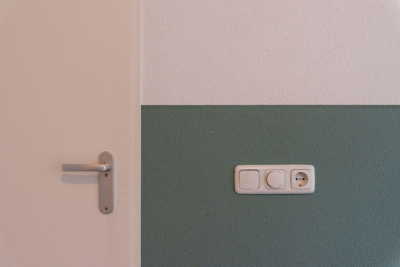
 Wall outlets stop working when electrical connections degrade or internal hardware parts wear out from frequent usage. Homeowners in Grand Junction, CO frequently encounter dead plugs because loose wires create electrical resistance inside the junction box. Recognizing the primary causes of outlet failure allows property owners to fix basic performance bugs before minor complications escalate.
This guide breaks down why plugs may lose power and outlines simple methods to maintain home electrical systems.
What Causes a Wall Outlet to Stop Working Completely?
A completely dead wall plug often points to a tripped circuit breaker inside the main electrical panel. Breaker switches cut electrical power instantly when a circuit draws more current than the system rating allows. This protective shutoff shields appliances from receiving excessive voltage during unexpected spikes. Property owners can look at the main service panel to find switches that rest between the on and off positions.
Loose wire terminations behind the plastic receptacle faceplate also terminate electricity flow. Over many years, the constant pulling of heavy power cords relaxes the metal screws that clamp copper wires down. This gap stops the path of current. You can test neighboring plugs on the shared wall to see if multiple rooms lack electrical power. Replacing a degraded receptacle unit restores a safe path for current to move into home appliances.
If you are unsure about your electrical skills, don’t risk it, call Kokopelli Home Services today for a free evaluation!
Why Do Circuit Breakers Trip Frequently Under Standard Household Loads?
Circuit breakers trip when multiple high-wattage appliances run simultaneously on a single electrical pathway. A standard kitchen loop might support fifteen amps of electrical flow before the safety system activates. Plugging a thousand-watt toaster next to a space heater can exceed that limit within seconds. The breaker opens the circuit to lower temperatures along the internal copper lines.
- Overloaded circuits from running too many high-draw appliances at once.
- Short circuits caused by bare hot wires touching each other or neutral grounding bars.
- Ground faults happening when water leaks enter a standard outlet receptacle box.
Fixing a frequent trip requires moving heavy electrical appliances to separate wall sectors. Older breaker units weaken over decades of operation and flip open under small, normal electrical loads. Swapping out a faulty breaker inside the main electrical box stops random power losses across the house.
How Do Loose Wiring Connections Create Household Fire Hazards?
Loose copper wires produce electrical arcing when current leaps across open spaces to complete a circuit loop. This arc generates intense heat that easily melts protective vinyl coatings on neighboring wires. Sparks can ignite dry wood studs or paper insulation inside old wall cavities without warning. Finding warm faceplates means a hazardous connection requires immediate adjustment.
Look at the back of a plastic outlet box during an electrical upgrade to inspect connection points. Many production builders use push-in terminals on the rear of the receptacle rather than side screws. These spring-loaded ports slip loose over years of repetitive plugging motions. Wrapping the solid copper wire tightly around side brass screws creates a permanent connection that lowers fire risks.
What Are the Signs of Internal Receptacle Wear?
Metal contact blades inside a wall outlet widen and lose their spring tension after thousands of plugs insert over time. Loose terminal slots cannot grip appliance cord prongs tightly enough to maintain continuous electrical contact. Cords fall out of the wall from their own weight when internal blades wear out completely. This loose fit creates small sparks that scorch the outer plastic frame.
Why Does Quick Connect Wiring Fail So Quickly?
Quick connect connections rely on tiny spring clips inside the plastic body to hold electrical wires in place. These internal springs lose their tension when a homeowner runs heavy power loads that warm up the outlet. Once the spring metal sags, the copper wire moves away from the internal power bar. This design flaw makes back-stabbed outlets a leading cause of intermittent power failure.
Electricians attach wires to side screw terminals to achieve a mechanically solid lock. Tightening the brass screw down flattens the wire against the metal frame for maximum current transfer. This method keeps the connection stable through seasons of temperature changes. Avoid using the rear quick-wire ports during any home outlet replacement task.
How Do Ground Fault Interrupt Receptacles Defend Wet Locations?
Ground fault circuit interrupters (GFCI or GFI) in your Fruita home monitor the balance of electrical current moving between hot and neutral wires. These safety devices trip within milliseconds if power leaks toward a wet surface or a human body. Bathroom counters and outdoor walls require these specialized safety plugs by regional building laws to stop severe shocks. A single faulty appliance can trigger a ground fault shutoff instantly.
Press the black test button on the face of the safety device once a month to check the internal trip mechanism. The reset button should pop forward with a loud clicking sound to confirm the unit works. If the button stays down, internal sensors have failed from voltage surges or moisture exposure. Swap out broken ground fault units to maintain shock protection near plumbing fixtures.
What Tools Are Necessary for Safe Electrical Diagnostic Work?
Diagnosing a dead wall outlet requires basic non-contact voltage testers and digital multimeters to map current patterns safely. A non-contact sensor glows bright red when electrical voltage remains active behind a plastic panel. This simple tool prevents accidental shocks before a homeowner unbolts hardware components. Using proper testing equipment keeps repair tasks safe and organized.
Insert the leads of a digital multimeter into the outlet slots to read the exact voltage output. A healthy home outlet displays a reading between one hundred ten and one hundred twenty-six volts. Low numbers mean high resistance from corroded wires or broken lines down the circuit path. Turn off the main electrical panel toggle before using screwdrivers to extract an outlet from the drywall.
FAQ
Why Does Only One Half of My Wall Outlet Work?
One working slot usually means a small brass tab on the side of the receptacle has been broken off intentionally. This modification separates the top and bottom plugs so a wall switch can control a single lamp independently.
How Long Do Standard Residential Wall Outlets Last Before Replacement?
Most standard household wall outlets operate reliably for roughly fifteen years under normal plug insertion frequencies. Plugs located in high-traffic zones like kitchens or living rooms wear out much faster than those in guest bedrooms.
Is It Safe to Replace a Wall Outlet Without Turning off the Main Power?
NO, working on live electrical lines poses severe risks of electrical shock and deadly injury. Always flip the correct circuit breaker to the off position and verify the line is dead using a voltage tester. If you aren’t completely confident, call Kokopelli Home Services today!
What Does It Mean When an Outlet Makes a Faint Buzzing Sound?
A buzzing sound indicates that electrical current is arcing across loose wire connections or broken internal contacts. This sound means high thermal energy is accumulating and the device requires an immediate safety power shutdown.
Get Expert Care for Your Home and Business
Property upkeep demands consistent attention, specialized tools, and technical skill. Neglecting seasonal maintenance tasks leads to expensive structural damage and high utility bills. Professional assistance keeps every appliance and utility system operating efficiently throughout the entire year. At Kokopelli Home Services, we organize your comprehensive property maintenance plan, and can come to you anywhere throughout Mesa County, Grand Junction, Fruita, Palisade and the entire Grand Valley. Contact us today to organize your seasonal repair list and update your home fixtures. Our team handles every repair with care to maintain long-term structural reliability.