
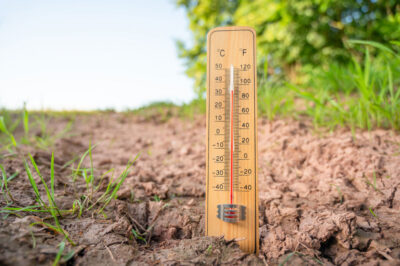
 A home in Grand Junction deals with a wider daily temperature range than most homes in the country ever face. Summer afternoons can push past 100°F while the same night drops into the 60s, and winter brings hard freezes that follow relatively mild days. That constant swing puts real stress on caulking, stucco, wood trim, and concrete, causing materials to fail faster here than they would in a milder climate. Understanding how home maintenance works in a high desert climate like Colorado’s is the first step to catching that damage early. Catching the early signs during a seasonal inspection is the difference between a small caulk repair and a much larger exterior repair bill.
Why Do Temperature Swings Damage a Home Faster in a High Desert Climate?
Materials expand when they heat up and contract when they cool down, and in Grand Junction that cycle happens harder and more often than in most places. A 40 or 50 degree swing between afternoon and night is common through much of the year, and that repeated stretching and shrinking is what breaks down caulk, cracks stucco, and opens gaps around wood trim.
Low humidity across the Western Slope makes this worse. Dry air pulls moisture out of wood and sealants faster, which makes them brittle sooner than the same materials would become in a wetter climate. A caulk line that might last five years in a humid region can start failing in two or three years here, simply from the combination of intense sun and dry air.
How Caulking and Weatherstripping Fail in Mesa County Homes
Caulk around windows, doors, and trim is one of the first things to show damage from Grand Junction’s climate, and it’s also one of the easiest things to miss. UV exposure breaks down the flexibility of caulk over time, so what starts as a small hairline crack eventually turns into a gap that lets in air and water.
Run a hand along window and door frames each season and press gently on any caulk line that looks discolored or shrunken. If it feels hard or cracks under light pressure, air and moisture are already getting through, even if you can’t see daylight on the other side. Homes in sun heavy areas like Orchard Mesa and parts of Fruita tend to show this wear earlier, since south and west facing walls take the most direct sun through summer afternoons. Failed weatherstripping around exterior doors follows the same pattern and is worth checking at the same time, since a drafty door usually means the seal has already hardened past the point of doing its job.
What Causes Stucco Cracking in Grand Junction and the Western Slope?
Stucco cracks in this climate almost always trace back to the same cause: the surface expands under heat faster than the structure underneath it, and repeated cycles of that mismatch eventually open a crack. Hairline cracks are common and usually cosmetic, but wider cracks or ones that grow over a season point to water getting behind the stucco layer.
The real risk with stucco isn’t the crack itself, it’s what happens after. Once water gets behind stucco through even a small opening, it can sit there through a freeze cycle and expand, which pushes the crack wider from the inside. This is why a crack that looked minor in September can be noticeably worse by the following spring. Checking stucco after the hottest part of summer, when the material has had the most stress, is the best time to catch developing cracks before a freeze cycle makes them worse.
Wood Trim and Fascia: The Overlooked Damage Point
Wood trim around windows, doors, and roof lines takes a beating in this climate because it absorbs heat directly and then cools fast once the sun drops. That daily cycle dries out the wood grain and eventually causes splitting, especially at joints and corners where two pieces of trim meet.
Peeling paint on trim is often dismissed as a cosmetic issue, but it’s usually the first visible sign that the wood underneath is already drying and cracking. Once paint fails, the wood has no protection left against sun or moisture, and damage speeds up from there. Trim around Palisade and Redlands homes with older paint jobs tends to show this first, since original paint from a prior decade rarely holds up to this many heat and cold cycles without a refresh.
Freeze-Thaw Home Damage in Grand Junction: What Homeowners Should Watch For
Concrete driveways, walkways, and patios face a specific kind of damage in this climate called freeze thaw cracking. Water gets into small pores or existing cracks in the concrete, then freezes and expands during a hard freeze, widening the crack. This repeats every freeze and thaw cycle through winter, which is why a small crack in November can be a significant one by March.
Sealing concrete before the first hard freeze of the season is one of the most effective ways to slow this damage, since a sealed surface keeps water from soaking into the material in the first place. Checking for standing water near the foundation after storms is also worth doing, since pooled water sitting against concrete or a foundation wall increases the risk of freeze thaw cracking right at the most structurally important point of the house. Homeowners across Mesa County who deal with clogged gutters often see this exact problem, since water that isn’t draining properly ends up pooling right where it can do the most damage.
How Often Should a Seasonal Exterior Inspection Happen?
Twice a year covers most homes well: once in late summer after the most intense heat has passed, and once before the first hard freeze in late fall. The late summer check catches caulk, stucco, and trim damage from a full season of heat stress, while the pre freeze check is the last chance to seal cracks and gaps before winter makes the damage worse.
Homes that are older, sit in a sun heavy location, or haven’t had an exterior check in more than a year benefit from starting with a full walkthrough rather than a quick glance. A thorough seasonal check typically covers caulking, weatherstripping, visible stucco cracks, trim condition, and drainage around the foundation, since these areas tend to fail together rather than in isolation.
Frequently Asked Questions
Why does my house need more maintenance in Grand Junction than in other climates?
The combination of intense summer heat, low humidity, and hard winter freezes puts more stress on exterior materials here than in milder or more humid regions. Caulk, stucco, and wood trim all break down faster under these repeated extremes, which means Grand Junction homes typically need more frequent seasonal checks to catch damage early.
What is freeze thaw damage and why does it matter in Mesa County?
Freeze thaw damage happens when water gets into small cracks in concrete or masonry, then freezes and expands, widening the crack. Mesa County’s pattern of hard freezes following relatively mild days makes this cycle repeat often through winter, which is why small cracks can grow quickly if they’re not sealed beforehand.
When is the best time to recaulk windows and doors in Grand Junction, CO?
Late summer or early fall is ideal, since the weather is dry and warm enough for caulk to cure properly before the first freeze. Recaulking right before winter gives the best protection against the cold weather ahead.
Can extreme heat really crack stucco on homes in Fruita or Palisade?
Yes. Stucco expands under intense heat and contracts as temperatures drop at night, and that repeated movement is one of the most common causes of cracking in homes throughout Fruita, Palisade, and the rest of the Grand Valley. South and west facing walls that get the most direct summer sun tend to show cracking first.
How do I know if my home’s exterior needs a professional inspection instead of a DIY check?
A DIY check works well for spotting obvious issues like peeling paint or a cracked caulk line. If you notice water stains near window frames, stucco cracks wider than a hairline, or soft wood trim, those signs point to damage that’s already progressed and are worth a closer professional look before the next freeze cycle.
The Bottom Line
Grand Junction’s wide temperature swings aren’t just uncomfortable, they’re hard on a home’s exterior in ways that show up faster than most homeowners expect. Caulking, stucco, wood trim, and concrete all take this stress differently, but they share the same solution: catching small damage early, before a freeze cycle or another summer of heat makes it worse.
Let Kokopelli handle exterior home repair in Grand Junction before small cracks become costly repairs. Kokopelli Home Services works with homeowners across Grand Junction, Fruita, Palisade, and the surrounding Mesa County area to catch this kind of damage while it’s still a simple fix. Homeowners ready to get ahead of the next freeze and thaw season can book a seasonal exterior check directly, or request a custom quote for a repair that’s already been spotted around the home.