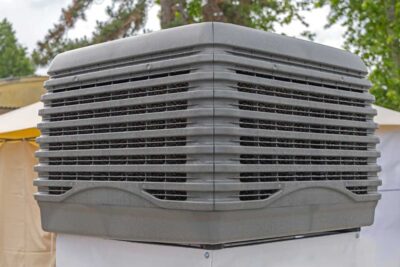
 June can bring sustained triple-digit heat and low relative humidity across the Grand Valley, forcing your evaporative cooling system to run continuously at maximum capacity in homes from Grand Junction to Fruita. When a swamp cooler operates day and night without a break, mechanical components like pump motors and drive belts experience severe friction wear. Evaluating your cooling unit early in the peak summer season stops minor performance drops from turning into a complete system breakdown during a heatwave.
Many property owners ignore their rooftop or window units until warm, humid air starts blowing out of their ceiling vents. Internal mineral scaling and clogged water lines often go unnoticed during casual operation. A thorough inspection reveals where water distribution channels have dried up or cracked, causing uneven pad saturation and reduced cooling output.
The high-desert climate in Western Colorado requires specialized attention because heavy windstorms drop large amounts of fine dust and cottonwood fuzz onto residential roofs. This airborne debris quickly packs into the cooling pads, choking off the fresh airflow needed to drop indoor temperatures. Bringing in a local repair specialist keeps your system clear and functional so your home stays cool when outdoor conditions are most demanding across Mesa County.
Does Hard Water Scale Ruin Your Evaporative Media?
The high mineral content in the local water supply creates a thick rock crust on your evaporative pads, blocking both water absorption and fresh airflow. When pads become calcified and stiff, they can no longer hold moisture, which completely destroys the evaporation process needed to cool your home.
Evaporative cooling relies entirely on the thermal transition that happens when dry air passes through completely saturated media. As hot air hits the wet pads, water evaporates rapidly, leaving behind heavy deposits of calcium, magnesium, and carbonate salts. Within a few weeks of constant operation, this white, chalky scale glues the pad fibers together, turning a porous cooling medium into a solid, air-blocking barrier.
Once your pads lose their porosity, your blower motor must strain twice as hard to pull air through the system, overheating the electrical windings and shortening the life of the appliance. Trying to scrape away this mineral buildup by hand usually rips the fragile cellulose or aspen fibers apart. Choosing a qualified swamp cooler repair technician ensures your unit receives fresh, high-efficiency replacement media and proper scale-inhibiting treatments to keep air flowing freely.
How Do Cracked Water Lines Cause Costly Roof Damage?
Brittle plastic water lines crack under intense summer sun exposure, spraying water across your roof surface and rotting out your underlying structural decking. Replacing old vinyl supply tubes with copper or UV-shielded lines stops hidden leaks from damaging your ceiling drywall and interior framing.
The Financial Risks of Neglected Cooler Leaks
- Rotting Roof Sheathing: Continuous water pooling beneath a leaking cooler pan softens the plywood decking, causing your shingles to sag and break apart.
- Molded Attic Insulation: Water seeping through cracked roof seams saturates fiberglass or cellulose insulation, destroying its thermal properties and breeding toxic mold.
- Foundation Shifting: If an overflow line cracks and drains water directly along your foundation wall, the soil softens and causes concrete footers to settle unevenly.
Why Do Loose Drive Belts Cause Low Airflow?
Drive belts stretch out and slip along the motor pulleys over months of heavy summer use, causing your blower fan to spin much slower than intended. Adjusting belt tension or replacing a frayed cord restores maximum air velocity to your interior rooms, maximizing your daily comfort.
A swamp cooler blower relies on a simple belt-and-pulley system to transfer mechanical power from the electric motor to the large fan drum. When a belt sits in a hot, dry cabinet all summer, the rubber dries out, cracks, and stretches beyond its functional length. As the belt slips on the metal pulley tracks, it generates friction heat that glazes the rubber, creating a distinct squealing noise whenever the unit starts up.
When a belt slips, the fan might not spin at its rated speed, leaving your home feeling stuffy and warm despite the motor running on high. A professional technician checks the belt deflection to ensure it has exactly one-half inch of play for optimal operation. They align the pulleys precisely to prevent premature edge wear, keeping your air movement strong and steady through the worst of the summer heat.
Is a Failing Pump Motor Starving Your System of Water?
A failing water pump cannot push liquid up to the distribution spider, leaving large sections of your cooling pads completely bone-dry. Upgrading a weak or humming pump ensures total water coverage across your media, dropping your incoming air temperatures by up to twenty degrees.
The water pump is the heart of your evaporative system, tasked with lifting water from the bottom pan up to the top distribution tray. Over time, loose mineral scale drops into the bottom reservoir and gets sucked into the pump’s plastic intake screen, choking off the water flow. If the pump impeller gets jammed by debris, the electric motor will hum loudly before overheating and shorting out entirely.
When pads dry out, hot outdoor air passes straight into your ductwork without picking up moisture, turning your swamp cooler into an expensive, ineffective ceiling fan. Testing the pump’s output pressure ensures that every pad receives a continuous, even stream of water. Replacing an old pump with a heavy-duty, thermally protected model keeps your system operating at peak cooling efficiency.
What Causes Sour or Musty Odors in Your Ductwork?
Stagnant water sitting in a dirty cooler pan breeds bacteria and algae, pushing a foul, swampy smell through your home vents whenever the system turns on. Cleaning out the reservoir and adding fresh water treatment tablets neutralizes these microorganisms, restoring crisp, clean air to your living spaces.
Because evaporative coolers continuously pull outdoor air through wet media, they act like large air scrubbers, trapping dust, pollen, and insects inside the bottom pan. Over several weeks of hot weather, this organic slurry cooks in the sun, creating a perfect breeding ground for mold and slime. This bacteria not only smells terrible but can trigger respiratory irritation and asthma attacks for sensitive family members.
Standard household bleach is too corrosive for metal cooler pans, as it strips away the protective zinc coating and causes rapid rust holes. A safe maintenance routine involves draining the pan completely, scraping away the organic sludge, and washing the interior walls with specialized, non-corrosive disinfectants. Keeping the pan clean ensures that the air entering your home stays clean, healthy, and fresh.
How Does Float Valve Malfunction Lead to Water Waste?
A stuck or misadjusted float valve fails to shut off the incoming water line, causing thousands of gallons of clean water to pour down your roof via the overflow drain. Calibrating or replacing this simple mechanical valve prevents high utility bills and keeps your water usage responsible.
The float valve works exactly like the assembly inside a standard toilet tank, rising with the water level until it pinches shut the incoming supply brass orifice. If minerals build up on the valve stem or the hollow plastic float takes on water, the valve stays partially open. This allows water to enter the pan faster than the system can use it, raising the water level up to the top of the overflow pipe.
In dry climates, a single leaking float valve can waste over one hundred gallons of treated municipal water every single day. This constant runoff leaves ugly white mineral tracks down your roofing shingles and fills your gutters with standing water. Inspecting the valve seating and adjusting the float arm ensures your water cuts off exactly at the correct fill line, keeping your operation efficient, whether the property is in Palisade, the Redlands, or elsewhere in Mesa County.
Why Is Proper Internal Ventilation Key to Swamp Cooler Success?
Evaporative coolers require open windows or dedicated ceiling vents to push old air out of your home as fresh, cooled air enters the space. Balancing this internal airflow prevents high humidity buildup, keeping your indoor spaces crisp and dry instead of sticky and humid.
Unlike traditional air conditioning systems that recirculate the same indoor air, evaporative cooling is a total-displacement system that constantly injects fresh outdoor air. If you keep all your doors and windows tightly closed, the incoming air builds up pressure inside your home, blocking the fan from pushing fresh air through the ducts. The air inside becomes trapped, absorbs cooking and bathing moisture, and turns your living space into a humid greenhouse.
To achieve maximum cooling, you must open windows in the specific rooms you want to cool, creating a direct path for the warm air to escape. A professional technician can calculate the exact amount of open window space needed based on the cubic feet per minute output of your blower fan. This precise airflow tuning ensures your system drops indoor temperatures without making your home feel damp.
Frequently Asked Questions
Why Is My Swamp Cooler Blowing Warm Air Even Though the Fan Is on High?
Warm air usually indicates that your cooling pads are completely dry, which happens if the water pump fails, the float valve gets stuck shut, or the distribution lines are clogged with mineral scale. Checking the water level in the bottom pan and verifying that the pump is running will help locate the issue.
How Often Should I Replace My Evaporative Cooling Pads?
Standard aspen wood pads should be replaced once a year at the start of the summer season to ensure maximum water absorption and freshness. Heavy-duty cellulose or rigid media pads can last between three and five years if you clean them regularly and use water softening treatments.
Can a Handyman Fix an Electrical Short in My Cooler Motor?
Yes, a skilled technician can troubleshoot internal wiring issues, replace bad capacitors, and install new multi-speed motors safely. They ensure all electrical connections inside the wet cabinet are perfectly sealed and grounded to protect your home from fire hazards.
What Should I Do If My Swamp Cooler Starts Leaking from the Bottom Pan?
Turn off the water supply line immediately and drain the remaining water out of the bottom reservoir to prevent roof damage. The pan will need to be thoroughly cleaned, dried, and coated with a specialized rubberized marine sealant to plug any rust holes permanently.
Secure Your Summer Home Comfort
Kokopelli Home Services provides expert fixture troubleshooting, secure cooling maintenance, and comprehensive property care throughout the Grand Junction community and surrounding areas. We work diligently to keep your interior systems running efficiently so you can stay cool and relaxed all summer long. Contact us today to organize your seasonal repair list and update your home cooling fixtures. Our team handles every repair with care to ensure long-term structural reliability for homeowners in Grand Junction, Fruita, Palisade, the Redlands, and across Mesa County.